


All the signs that your cat may have FIP (Feline Infectious Peritonitis)
Understanding the forms of the disease and recognizing symptoms in time
Feline Infectious Peritonitis (FIP) is one of the most feared diseases in cats. Long considered incurable, it remains even today poorly understood, often diagnosed too late, and extremely traumatic for the families who face it.
FIP does not affect all cats, but when it does develop, its progression can be rapid and dramatic. What makes this disease particularly dangerous is that it mimics many other conditions, with symptoms that can be subtle, sometimes striking, and often misleading.
In this article, we will explain everything in detail:
- what FIP really is,
- all its forms (classic and atypical),
- all possible clinical signs, even the most subtle ones,
- how symptoms evolve over time,
- and when it is essential to act without delay.
The purpose of this article is to inform, not to replace a veterinarian, but above all to give people the keys to recognize warning signs.
What is FIP? (essential basics)
FIP is caused by a mutation of the feline coronavirus (FCoV).
It is very important to understand one fundamental point:
The feline coronavirus is very common and usually harmless.
FIP, on the other hand, is rare.
Feline coronavirus (FCoV): a common virus
Up to 80% of cats living in groups (shelters, catteries, multi-cat households) carry the feline coronavirus.
In the vast majority of cases, this virus causes:
- no symptoms,
- or sometimes mild, transient diarrhea.
Mutation into FIP
In a small percentage of cats, the virus undergoes an internal mutation within the body.
This mutation transforms a harmless virus into the FIP virus, capable of:
- invading immune cells (macrophages),
- spreading throughout the body,
- causing an intense and destructive inflammatory reaction.
👉 FIP itself is therefore not directly contagious.
What is transmitted is the basic coronavirus, not FIP itself.
The different types of FIP
There is not just one FIP, but several forms, which can sometimes overlap.
1. Wet FIP (effusive form)
This is the best-known form, often the fastest and most dramatic.
Main characteristics:
- Accumulation of inflammatory fluid in:
- the abdomen (ascites),
- the chest cavity (pleural effusion),
- sometimes around the heart (pericardial effusion).
- Often rapid progression (weeks).
Why does fluid accumulate?
The viral mutation causes vasculitis:
- blood vessels become permeable,
- plasma leaks out,
- a protein-rich fluid accumulates.
2. Dry FIP (non-effusive form)
Much more difficult to diagnose.
Characteristics:
- Little or no visible fluid.
- Formation of inflammatory granulomas in various organs:
- liver,
- kidneys,
- intestines,
- nervous system,
- eyes.
👉 This form can progress more slowly, sometimes over several months.
3. Neurological FIP
It may be:
- a dry form,
- or associated with wet FIP.
It affects the central nervous system.
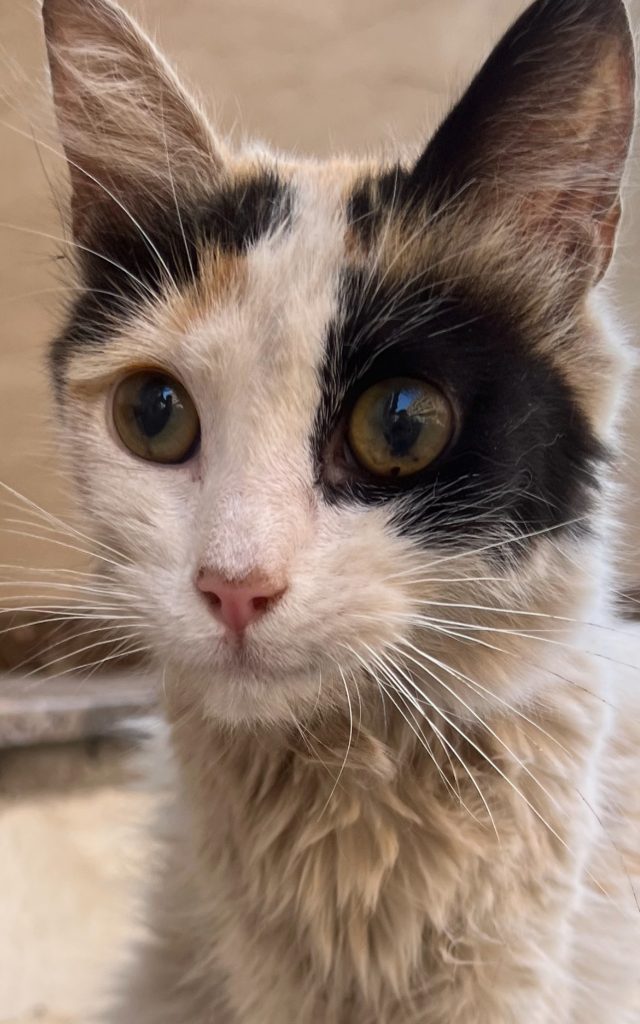
4. Ocular FIP
It may occur alone or be associated with other forms.
5. Mixed forms
Many cats show:
- both wet and dry signs,
- or a progression from one form to another.
General signs common to all forms of FIP
Even before specific symptoms appear, FIP almost always begins with general signs that are often underestimated.
1. Persistent or recurrent fever
- Fever that responds poorly or not at all to antibiotics.
- Temperature often:
- above 39.5°C (103.1°F),
- sometimes fluctuating.
👉 This is a key sign.
2. Lethargy and abnormal fatigue
- The cat sleeps much more.
- Plays less, or not at all.
- Appears “sad” or dull.
3. Progressive loss of appetite
- The cat eats less.
- Becomes picky.
- May eventually stop eating altogether.
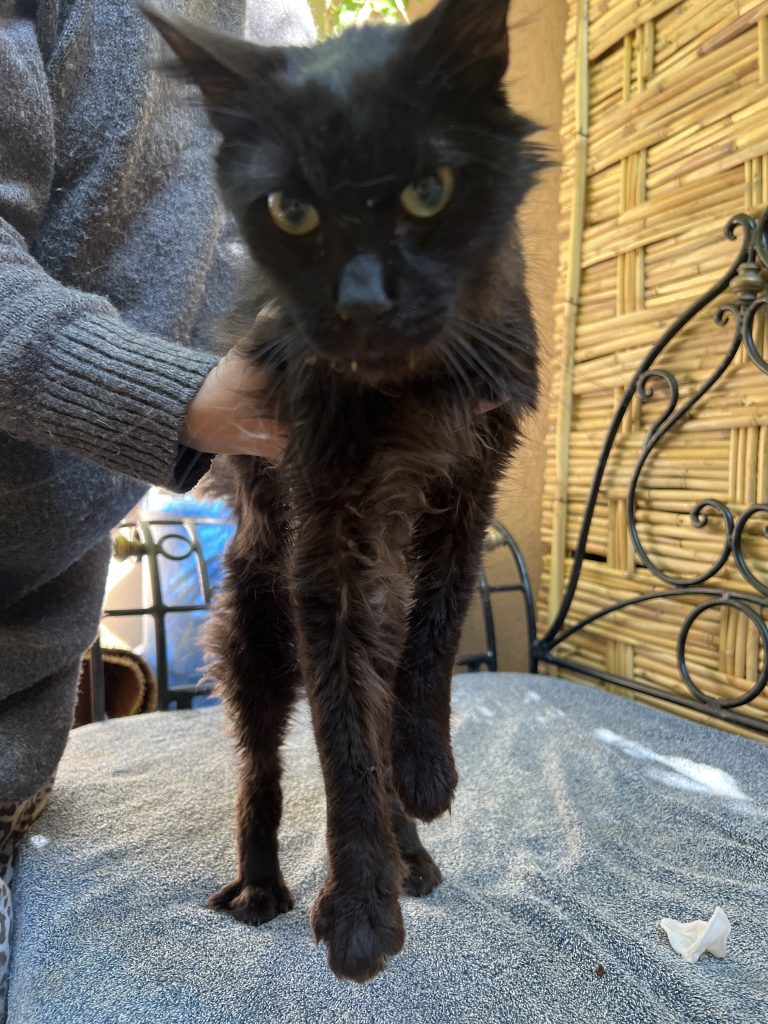
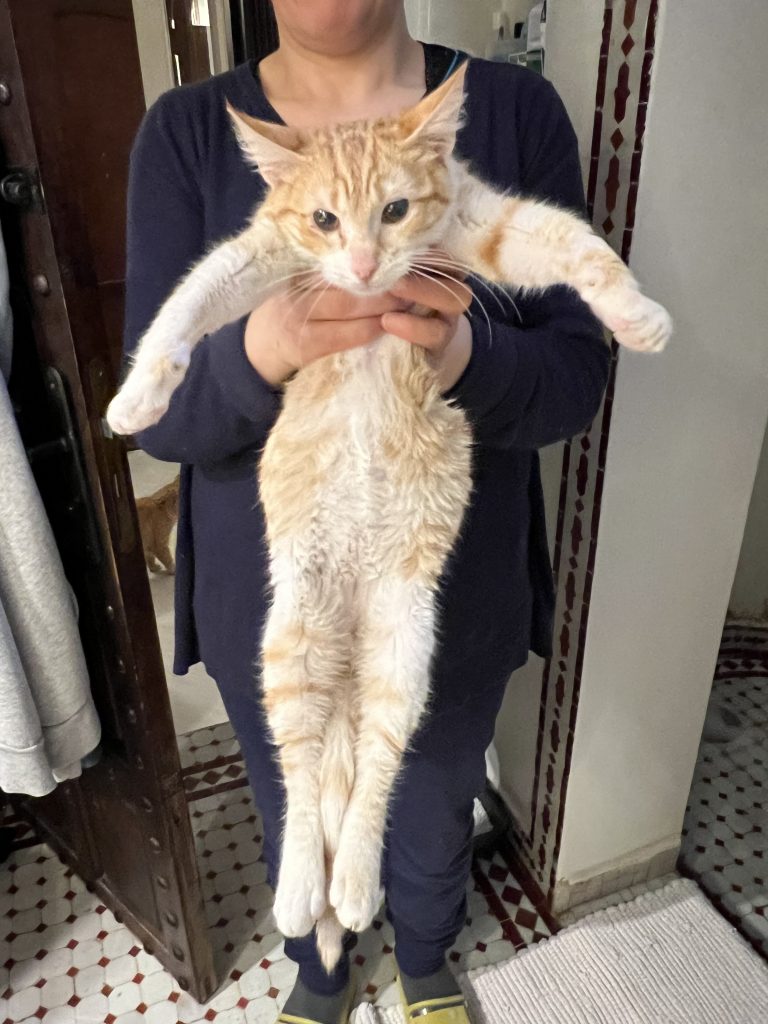
4. Weight loss
- Loss of muscle mass.
- More prominent spine.
- Sometimes despite a growing belly (wet form).
5. Dull coat
- Less shiny fur.
- Unkempt appearance.
- Reduced grooming.
Signs specific to wet FIP
1. Swollen abdomen (ascites)
- Belly enlarges rapidly.
- Pear-shaped appearance.
- The cat may:
- have difficulty moving,
- avoid jumping,
- lie down differently.
⚠️ Warning:
A cat can be very thin with a very large abdomen.
2. Breathing difficulties
When fluid accumulates in the chest cavity:
- Rapid breathing.
- Abdominal breathing.
- Panting (rare in cats → very alarming).
- Sitting position with neck extended.
3. Exercise intolerance
- The cat becomes short of breath quickly.
- Refuses to move.
- May panic during episodes of dyspnea.
Signs specific to dry FIP
1. Digestive involvement
- Chronic diarrhea.
- Intermittent vomiting.
- Abdominal pain.
- Possible constipation.
2. Liver involvement
- Jaundice:
- yellow gums,
- yellowish ears,
- yellow whites of the eyes.
- Increased liver enzymes.
3. Kidney involvement
- Increased thirst.
- Increased urination.
- Progressive kidney failure.
Signs of neurological FIP
This form is particularly severe and difficult.
1. Balance disorders
- Unsteady gait.
- Falls.
- Difficulty jumping.
2. Tremors
- Head.
- Legs.
- Whole body.
3. Partial or total paralysis
- Weak hindquarters.
- Dragging of the legs.
- Inability to stand.
4. Seizures
- Rarer.
- Always an emergency sign.
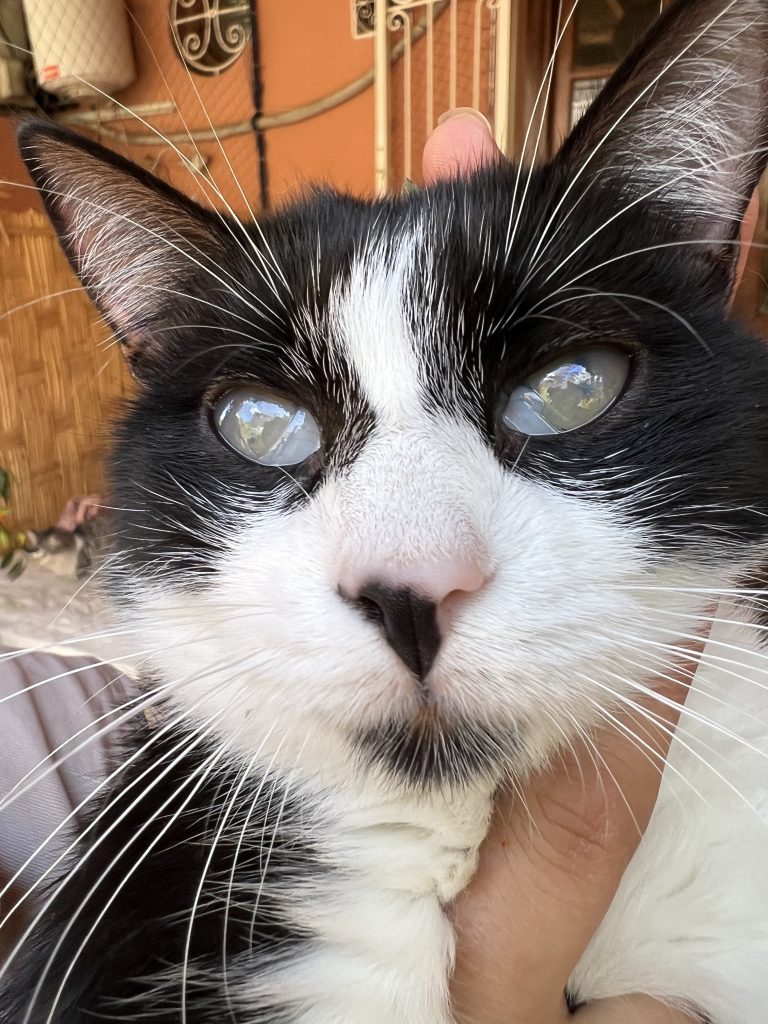
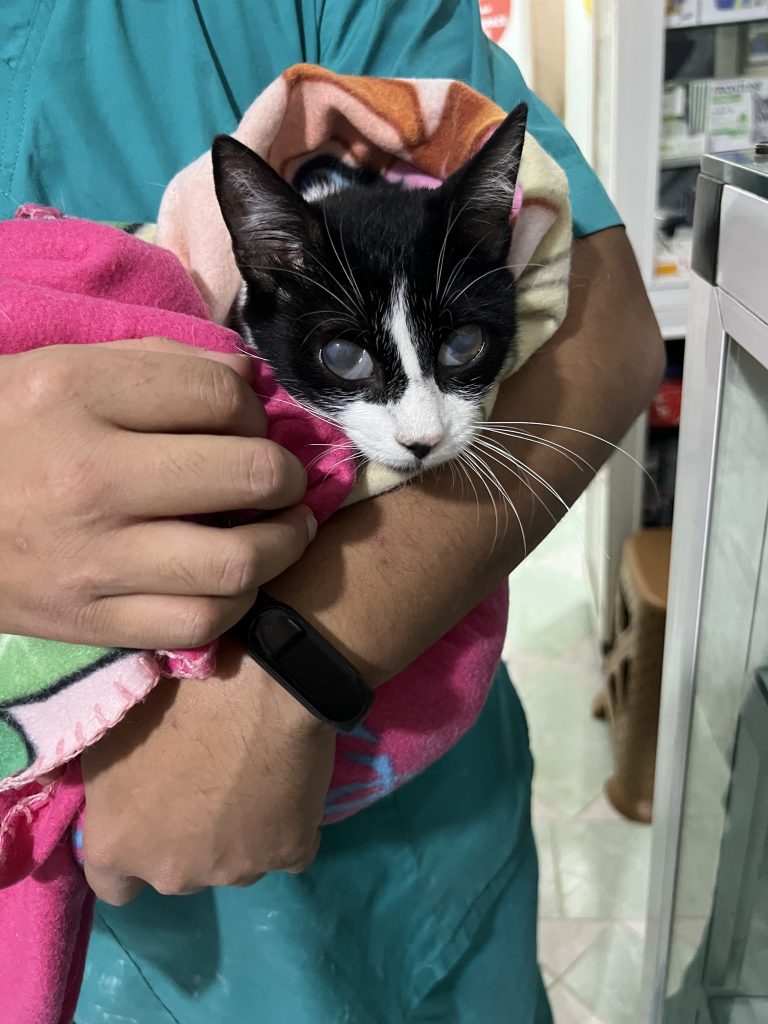
Signs of ocular FIP
- Uveitis (inflammation of the eye).
- Change in iris color.
- Irregular pupil.
- Internal bleeding.
- Vision loss.
Which cats are more likely to develop FIP?
- Kittens and young cats (< 2 years).
- Cats living in groups.
- Stressed cats.
- Cats from shelters or the street.
- Immunocompromised cats.
Why is FIP so difficult to diagnose?
- No simple, definitive test.
- Non-specific symptoms.
- Often indirect examinations:
- blood tests,
- ultrasounds,
- fluid sampling.
👉 Diagnosis is often based on a combination of clues.
Important message for people
If you recognize several of these signs, especially:
- persistent fever,
- weight and condition loss,
- abdominal fluid,
- neurological symptoms,
👉 do not wait.
The earlier the care begins, the better the chances.
Why this article is important for Cats of Atlas
In countries where:
- stray cats are numerous,
- access to veterinary care is limited,
- diagnosis is delayed,
FIP causes silent devastation.
To inform is to:
- save time,
- save lives,
- prevent human guilt.
🐾 Cats of Atlas fights every day to save sick, weakened, and abandoned cats.
Care, diagnostics, and heavy treatments such as those related to FIP come at a huge cost.
👉 You can help in a concrete way by supporting our actions, sharing our articles, or making a donation at catsofatlas.org.
Every gesture counts.