



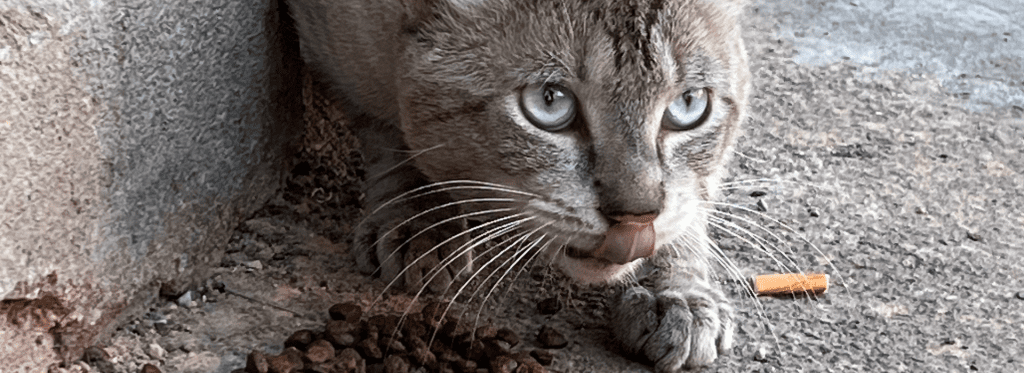
Rabies in Morocco: Dogs, Cats, Bites, and Life-Saving Actions
Rabies remains one of the most dangerous diseases in the world today, and unfortunately it is still present in Morocco. Many people believe that a small cat scratch or a light dog bite is not serious. However, simple exposure to the saliva of an infected animal can be enough to transmit the virus. Once symptoms appear, rabies is almost always fatal.
In Morocco, the problem mainly concerns stray dogs, but cats can also transmit the disease. Children are particularly vulnerable because they are more likely to play with animals in the streets and sometimes report a bite or scratch too late.
According to recent data presented to the Moroccan Parliament, more than 100,000 cases of animal bites and scratches were recorded in Morocco in a single year, with 33 human deaths linked to rabies in 2024. (Le 360 Français)
The World Health Organization reminds us that rabies kills around 60,000 people worldwide every year. In Morocco, health authorities have been conducting animal vaccination and human prevention campaigns for decades, but the risk remains real, especially in rural areas and neighborhoods where many stray animals live. (Moroccan Ministry of Health)
What Is Rabies?
Rabies is a viral disease that attacks the central nervous system. It is caused by a virus transmitted mainly through:
- bites;
- scratches;
- contact between saliva and an open wound;
- contact between saliva and the eyes, mouth, or nose.
The virus gradually travels through the nerves to the brain. This process can take several days, several weeks, or sometimes several months. During this period, it is still possible to prevent the disease through rapid medical treatment.
However, once symptoms appear, there is virtually no effective treatment.
Which Animals Can Transmit Rabies?
In Morocco, the main animals involved are:
- stray dogs;
- some stray cats;
- more rarely, wild animals.
Dogs remain the main source of rabies transmission in Morocco. (ONSSA)
Contrary to a common belief, a cat that appears friendly or healthy can also carry the virus. Cats constantly lick their paws, and a simple scratch contaminated with infected saliva may be enough to transmit rabies.
Even a very young kitten can pose a risk if it has been infected.
Why Is the Problem Important in Morocco?
For several years, Morocco has experienced a significant increase in the number of stray dogs in certain cities and rural areas. Several factors explain this situation:
- abandonment of animals;
- lack of sterilization;
- uncontrolled reproduction;
- illegal garbage dumping that attracts dogs;
- lack of vaccination for some domestic animals.
In some regions, packs of dogs live near residential neighborhoods, markets, schools, or garbage dumps.
Moroccan authorities have invested in control, sterilization, and vaccination programs, but the situation remains a major public health challenge. (MesVaccins)
What Are the Symptoms of Rabies in Animals?
An animal with rabies does not always foam at the mouth like in movies. The signs can be much more discreet.
In dogs:
- unusual aggression;
- agitation;
- extreme fear or nervousness;
- difficulty swallowing;
- paralysis;
- excessive salivation;
- sudden behavioral changes;
- biting without reason.
In cats:
- sudden aggression;
- strange behavior;
- isolation;
- unusual cries;
- difficulty walking;
- excessive salivation;
- unpredictable scratching or biting.
Even a very calm animal can also be infected.
What Are the Symptoms in Humans?
After an incubation period that can sometimes be long, the first symptoms often resemble the flu:
- fever;
- fatigue;
- headaches;
- muscle pain.
Severe neurological symptoms then appear:
- anxiety;
- confusion;
- hallucinations;
- fear of water;
- difficulty swallowing;
- paralysis;
- convulsions.
At this stage, the disease is almost always fatal. (Express TV)
What Should You Do Immediately After a Bite or Scratch?
This is the most important part.
Even a small scratch must be taken seriously.
1. Wash the Wound Immediately
The wound must be washed for at least 15 minutes with:
- plenty of water;
- soap.
This simple action can significantly reduce the risk of infection.
2. Disinfect the Wound
After washing:
- use an antiseptic;
- for example Betadine or chlorhexidine.
3. Go Quickly to a Medical Center
Do not wait for symptoms to appear.
You should immediately visit a:
- rabies treatment center;
- hospital;
- health center;
- emergency department.
A doctor will decide whether a rabies vaccine is necessary.
In some cases, rabies immunoglobulins must also be injected.
What You Should Never Do
Many dangerous misconceptions still exist.
Never:
- wait “to see what happens”;
- believe that a small scratch is harmless;
- rely only on traditional remedies;
- completely close a deep wound without medical advice;
- ignore a bite because the animal seemed friendly;
- assume that a domestic cat is automatically safe;
- stop vaccination before completing the full protocol.
Every hour matters.
Can You Catch Rabies From a Simple Scratch?
Yes.
It is a common mistake to believe that only bites are dangerous.
A scratch can transmit the virus if the claws are contaminated with infected saliva.
Health authorities remind the public that BOTH bites and scratches must be taken seriously. (Le 360 Français)
What Should Be Done With the Animal After the Incident?
If possible:
- do not kill the animal;
- try not to lose sight of it;
- inform health or veterinary authorities.
A domestic animal can sometimes be placed under veterinary observation.
However, medical treatment for the injured person should never be delayed while waiting.
Preventive Vaccination: Who Should Consider It?
Some people are at higher risk:
- veterinarians;
- animal rescue volunteers;
- people feeding stray animals;
- frequent travelers to rural areas;
- animal caretakers;
- shelter employees.
For them, preventive vaccination may be recommended.
How Can Children Be Protected?
Children are the primary victims in many countries affected by rabies.
They should be taught:
- not to touch unknown animals;
- not to approach a mother dog with puppies;
- not to pet a sick animal;
- to report any scratch or bite immediately.
Even a minor one.
The Role of Associations and Citizens
The fight against rabies does not depend only on authorities.
The population also plays an essential role through:
- vaccination of domestic animals;
- sterilization;
- avoiding animal abandonment;
- supporting associations;
- educating children;
- reporting aggressive or sick animals.
Dog vaccination campaigns remain one of the most effective ways to reduce human deaths. (Moroccan Ministry of Health)
Where Can You Get Vaccinated or Receive Treatment After a Bite in Morocco?
Here are some known centers and institutions in several major Moroccan cities.
Casablanca
- Institut Pasteur du Maroc
Historic reference center for rabies-related issues and vaccines. - Centre Vaccination Ain Chock
Health center able to guide and treat exposure cases.
Rabat
- Center Virology Of Diseases Infectieuses Et Tropicales Cvmit
Specialized structure involved in the treatment of infectious diseases.
Marrakech
- Bureau Communal d’Hygiène
Can direct patients toward vaccination and post-exposure care services. - Polyclinique du Sud
24-hour clinic able to provide emergency first aid after a bite or scratch.
Fez
- Center Vaccine Rage Antirabique
Center specifically identified for rabies vaccination.
Important Advice for Tourists in Morocco
Foreign travelers sometimes underestimate the risk.
Several European countries have recently warned their citizens to avoid any contact with stray animals in Morocco after several suspected rabies-related deaths. (blue News)
Even an animal that appears affectionate can be dangerous.
Never:
- feed an unknown dog by hand;
- play with stray puppies;
- pick up a stray cat;
- try to rescue an injured animal without protection.
Conclusion
Rabies is a preventable disease, but it remains deadly when not treated in time.
In Morocco, the large population of stray dogs and cats makes vigilance essential. A bite or scratch should never be ignored, even if it seems minor.
The most important actions are simple:
- wash immediately;
- disinfect;
- seek medical care quickly;
- follow the complete medical protocol.
Every year, lives can be saved through rapid action and better public awareness.